
Small Home Repairs That Become Expensive Problems If You Ignore Them
It is easy to put off small home repairs when everything seems to be working well. A dripping faucet, loose door handle, small drywall crack, or damaged piece of exterior wood may not seem urgent. However, ignoring these issues for too long can lead to more work, higher repair costs, and unnecessary frustration.
For homeowners looking for Handyman Services in Minneapolis and St. Paul, regular home maintenance is an important part of protecting their property. Minnesota’s changing seasons, moisture, and everyday wear can affect different parts of a home throughout the year.
In this guide, Midwest Handy-Pro explains which small household problems deserve attention, how they can become more expensive over time, and when professional repair services can help.
Why Can Small Home Repairs Become Expensive Over Time?
Small repairs can become costly when the original problem continues to affect nearby materials or household components. For example, a minor water leak may damage drywall, flooring, or cabinetry if it remains unnoticed. Similarly, loose exterior wood can allow moisture to reach surrounding surfaces.
The problem is not always the visible damage. Sometimes, the real concern develops behind a wall, beneath a surface, or around a damaged fixture.
Addressing problems early can help homeowners avoid:
- More extensive material damage.
- Additional labor and repair work.
- Repeated maintenance expenses.
- Reduced comfort and functionality.
- Potential safety concerns.
Therefore, it is worth inspecting your home regularly instead of waiting until a small issue becomes difficult to manage.
6 Small Home Repairs You Should Never Ignore
Some household problems may appear minor at first but deserve attention before they develop further. Here are six common examples Minneapolis and St. Paul homeowners should keep an eye on.
1. Small Water Leaks and Dripping Faucets
A dripping faucet or minor plumbing leak may seem harmless. However, continuous moisture can damage nearby cabinets, countertops, flooring, and other materials.
Pay attention to these warning signs:
- Water collecting beneath sinks.
- Damp cabinet interiors.
- Water stains around fixtures.
- Loose or deteriorating caulk.
- Unusual moisture or musty odors.
The first step is to identify where the water is coming from. If a leak is active, shut off the relevant water supply when safe and arrange an appropriate repair.
Why it matters: According to the U.S. Environmental Protection Agency, wet or damp materials should ideally be dried within 24–48 hours to help prevent mold growth. More importantly, the source of the moisture must also be corrected.
For extensive water damage, recurring leaks, or mold problems, consult the appropriate plumbing or water-damage specialist rather than relying on a cosmetic repair.
Read the EPA’s guide to mold, moisture, and home maintenance.
2. Cracked Caulking Around Windows and Doors
Caulking around windows and exterior doors helps seal gaps between different materials. Over time, weather exposure, aging, and movement can cause these seals to crack or separate.
When gaps develop, outdoor air and moisture may enter the home. Consequently, damaged surrounding materials can become a bigger maintenance concern.
Watch for:
- Visible gaps around window frames.
- Cracked or missing exterior caulk.
- Drafts near closed windows and doors.
- Moisture around window edges.
- Peeling paint near exterior openings.
Replacing worn caulking can help restore the seal when the underlying materials remain in good condition.
However, recurring gaps or water intrusion may point to damaged flashing, framing, or another issue that requires a more thorough inspection.
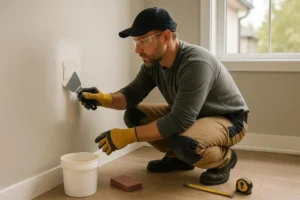
3. Damaged Drywall and Small Wall Cracks
Small holes, dents, and cracks in drywall are common in busy households. They can result from furniture movement, accidental impacts, loose fixtures, or normal wear.
Although these marks may initially appear cosmetic, some types of wall damage can indicate a deeper problem.
For example, a small hole from moving furniture may only need a simple patch. On the other hand, recurring cracks, expanding openings, or drywall that becomes soft and discolored may indicate moisture or movement.
Look out for:
- Cracks that continue to grow.
- Peeling paint or bubbling wall surfaces.
- Soft or swollen drywall.
- Water stains near ceilings or windows.
- Repeated damage in the same area.
A handyman may be able to repair minor drywall damage and restore the surface before painting. However, the source of any moisture or structural movement should be investigated first.
Midwest Handy-Pro offers drywall replacement, painting, and other home improvement services. You can explore its construction and handyman services to learn more.
4. Loose Doors, Cabinet Hinges, and Damaged Hardware
A loose cabinet hinge or sticking interior door may not seem important. However, continued use can place additional pressure on screws, hinges, frames, and surrounding materials.
For instance, a cabinet door that keeps dropping out of alignment may eventually damage its mounting points. Similarly, a loose door handle can become more difficult to operate if the hardware continues to wear.
Watch for:
- Cabinet doors that no longer close properly.
- Hinges that make unusual noises.
- Loose handles and knobs.
- Doors that stick or drag against the floor.
- Damaged trim around door frames.
Fortunately, many minor hardware problems can be handled without replacing the entire door or cabinet.
A professional handyman can assess the condition of the hardware, adjust suitable components, or recommend replacement when necessary.
5. Exterior Wood Damage and Deteriorating Paint
Exterior woodwork faces regular exposure to rain, snow, sunlight, and changing temperatures. Therefore, damaged paint, loose trim, and deteriorating wood deserve attention.
A small area of peeling paint may appear cosmetic. However, when moisture reaches exposed wood, deterioration can continue beneath the surface.
Check these areas regularly:
- Exterior door frames.
- Window trim.
- Wooden steps and railings.
- Deck boards.
- Painted siding and other woodwork.
- Areas around exterior joints.
If the damage is limited to the surface, preparation, wood repair, and repainting may be enough. However, soft, crumbling, or extensively damaged wood may require replacement or specialist assessment.
Midwest Handy-Pro lists exterior painting, staining, wood repair, and gutter work among its services. These options can help homeowners address suitable maintenance projects before the affected areas need more extensive work.

6. Clogged Drains and Slow-Draining Fixtures
A sink that drains slowly may seem like a minor inconvenience. Nevertheless, recurring drainage problems can indicate a blockage or another plumbing issue that needs attention.
Look for these signs:
- Water taking longer than usual to drain.
- Repeated clogs in the same fixture.
- Unpleasant odors from drains.
- Gurgling sounds.
- Water backing up into another fixture.
Avoid repeatedly using chemical drain cleaners without understanding the cause, as unsuitable products can damage some plumbing components.
A minor, isolated blockage may be manageable through an appropriate maintenance service. However, multiple slow drains, repeated backups, or suspected sewer-line problems should be assessed by a qualified plumber.
How Does Minneapolis Weather Affect Home Maintenance?
Minneapolis and St. Paul homes experience significant seasonal changes. Cold winters, spring moisture, and summer temperature fluctuations can place additional stress on exterior surfaces and household materials.
As a result, homeowners should pay attention to areas that may be affected by changing weather.
During colder months, check exterior doors, window seals, and visible gaps where drafts may develop. In spring, inspect gutters, exterior woodwork, and areas that may have experienced moisture damage. Meanwhile, summer is a useful time to address painting, staining, and other maintenance projects when conditions are suitable.
A seasonal home maintenance checklist can include:
- Inspecting window and door seals.
- Checking visible exterior wood for damage.
- Looking for water stains and damp areas.
- Checking gutters for visible damage or blockage.
- Inspecting doors, cabinets, and fixtures.
- Addressing damaged paint and drywall.
By checking these areas regularly, you can identify developing problems before they require more extensive work.
When Should You Hire Handyman Services in Minneapolis, St. Paul?
Professional handyman services are useful when several small repairs have accumulated, you lack the proper tools, or a project requires experience to complete correctly.
Instead of delaying each task, homeowners can prepare a repair list and discuss which jobs can be completed together.
Midwest Handy-Pro offers a range of residential and commercial services, including:
- Drywall replacement and repair-related work.
- Cabinet replacements.
- Fixture replacement.
- Window shade installation.
- Painting and staining.
- Custom carpentry.
- Exterior wood repair and gutter work.
- General maintenance and assembly.
The company also offers free estimates, so homeowners can discuss their requirements before proceeding.
With more than 20 years of experience serving Minnesota clients, Midwest Handy-Pro provides construction, maintenance, renovation, and handyman solutions for different property needs.
Visit the Midwest Handy-Pro service page to review available options.
Which Home Repairs Should You Leave to a Licensed Specialist?
Not every household issue is suitable for a general handyman. Major electrical work, gas-line repairs, structural changes, extensive plumbing, and other specialized tasks may require specific qualifications, licenses, permits, or inspections.
For example, flickering lights, burning odors, buzzing outlets, and visible electrical sparks can indicate serious wiring hazards. The U.S. Consumer Product Safety Commission identifies these as potential home wiring warning signs.
Similarly, extensive water damage, suspected foundation movement, and major roof problems should be evaluated by an appropriately qualified specialist.
Minnesota also has specific residential contractor licensing requirements. The Department of Labor and Industry explains that residential building contractors and remodelers offering more than one special skill area generally need the appropriate state license, subject to applicable exemptions.
Before booking a repair, confirm that the professional is qualified for the specific work involved.
For additional information, consult the Minnesota Department of Labor and Industry’s contractor licensing guidance.
Frequently Asked Questions About Small Home Repairs
What small home repairs should homeowners fix first?
Prioritize repairs involving water, electrical safety, structural concerns, and anything that could cause further damage. After addressing urgent issues, move on to damaged drywall, loose hardware, worn caulking, and cosmetic improvements. The right order depends on the severity of each problem.
Can a handyman complete several repairs in one visit?
Yes, provided the tasks fall within the handyman’s skills and permitted work scope. For example, a homeowner may arrange cabinet adjustments, minor drywall repairs, fixture replacement, and painting during one planned visit. Share your complete list beforehand so the company can assess the work.
How often should I inspect my home for maintenance problems?
A quick monthly check of visible areas can help identify leaks, loose fixtures, and developing damage. Additionally, schedule more thorough inspections during seasonal changes, especially before winter and after spring thaw. Older homes may benefit from more frequent checks.
When does drywall damage require more than a simple patch?
Small holes and surface dents are often suitable for basic drywall repair. However, recurring cracks, soft surfaces, water stains, or expanding damage may indicate an underlying issue. Identify the cause before repairing the visible surface to avoid repeating the work.
How can I find reliable handyman services in Minneapolis and St. Paul?
Look for relevant experience, clear communication, written estimates, and genuine customer feedback. Additionally, confirm whether the professional has the qualifications, insurance, and licensing required for your particular project. Always clarify the work included and any additional charges before booking.
Does Midwest Handy-Pro offer free estimates?
Yes. Midwest Handy-Pro advertises free estimates on its website. Homeowners can discuss their repair requirements and ask about the expected work before scheduling a project. Call 651-279-7900 or use the company’s contact page to get started.
Keep Small Home Problems From Becoming Big Repairs
Regular home maintenance does not have to involve expensive renovations or major projects. In many cases, addressing a small leak, damaged drywall, loose hardware, or worn exterior wood early can help reduce additional work later.
The key is knowing which problems need immediate attention and which can be included in your regular maintenance list. When several repairs accumulate, professional assistance can make the process easier.
Midwest Handy-Pro offers handyman, repair, maintenance, painting, carpentry, and construction services for Minnesota homeowners.
Need help with your home repair list? Contact Midwest Handy-Pro at 651-279-7900 to discuss your project and request a free estimate.

You have decided to sell. The photos are booked, the listing date is close, and then you notice the sticking back door, the stained ceiling corner,…

Hiring professional painting contractors in Minneapolis, St. Paul is the biggest step toward a flawless finish, but what you do before the crew…