
Home Improvement Services for Older Homes in Minneapolis, St. Paul
Older homes have a character that newer properties often cannot replicate. From traditional architectural details to established neighborhoods and unique layouts, older houses in Minneapolis and St. Paul can offer a distinct sense of history and personality. At the same time, maintaining and improving an older home can require a different approach than working on a recently built property.
Homeowners may encounter aging materials, outdated layouts, worn finishes, inefficient insulation, or components that need repair before cosmetic improvements can be completed. This is why choosing the right home improvement in Minneapolis, St. Paul approach starts with understanding the home’s existing condition and identifying which improvements will provide the greatest practical benefit.
Whether you are planning a small interior update or a larger renovation, thoughtful home improvement can make an older property more comfortable, functional, attractive, and suitable for modern living while preserving the features that make it unique.
Why Do Older Homes Need Specialized Home Improvement?
Older houses can have different construction methods, materials, and layouts compared with modern homes. A property built several decades ago may have experienced years of normal wear, previous renovations, and multiple layers of repairs.
Some older homes may have:
- Outdated kitchens or bathrooms
- Aging flooring
- Damaged drywall or plaster
- Worn trim and doors
- Older windows and doors
- Deteriorated caulking and sealants
- Inefficient storage layouts
- Aging exterior finishes
- Uneven or damaged surfaces
- Outdated fixtures and hardware
Not every older home requires major remodeling. Sometimes relatively simple improvements can make a noticeable difference.
The important step is determining what the property actually needs before investing in cosmetic upgrades.
Assess the Home Before Starting a Project
One of the most important parts of improving an older home is evaluating its existing condition.
Before selecting paint colors, flooring, cabinets, or fixtures, homeowners should look at the areas that may affect the project’s scope. Visible cosmetic problems can sometimes be connected to underlying maintenance issues.
For example, damaged drywall could be related to an old moisture problem. Peeling paint may indicate surface deterioration or excessive moisture. Uneven flooring may require attention before new flooring can be installed properly.
A practical evaluation can help homeowners prioritize projects based on:
- Safety
- Structural condition
- Functionality
- Maintenance requirements
- Energy efficiency
- Appearance
- Long-term value
This approach helps prevent homeowners from spending money on improvements that may later need to be removed or redone.
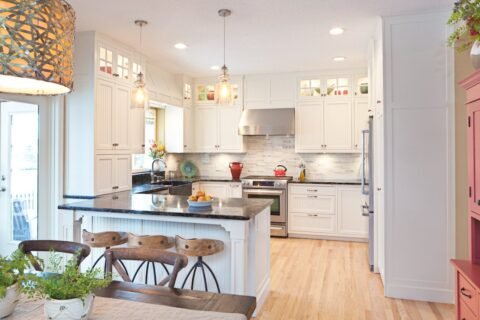
Kitchen Improvements for Older Minneapolis and St. Paul Homes
Kitchens are among the most commonly updated areas in older houses.
Many older kitchens were designed around the needs of previous generations and may have limited counter space, inefficient storage, outdated cabinets, or layouts that do not work well for modern households.
Home improvement can address these issues without necessarily requiring a complete kitchen reconstruction.
Potential improvements include:
Cabinet Updates
Cabinet doors, hardware, finishes, and storage configurations can significantly change the appearance and functionality of a kitchen.
In some cases, existing cabinets may be suitable for refinishing or updating rather than complete replacement.
Countertop and Backsplash Improvements
Replacing an outdated countertop or backsplash can modernize the kitchen while complementing existing architectural details.
Improved Storage
Older kitchens may lack practical storage. Adding shelves, organizers, or better cabinet configurations can make everyday use easier.
Lighting Improvements
Modern lighting can make an older kitchen feel brighter and more functional. Task lighting, under-cabinet lighting, and updated fixtures can improve visibility without changing the entire room.
Bathroom Improvements for Older Homes
Bathrooms in older homes can also benefit from carefully planned improvements.
A bathroom renovation may involve updating worn finishes, improving storage, replacing fixtures, repairing damaged surfaces, or improving the overall layout.
Homeowners may consider:
- Updated vanities
- New flooring
- Modern lighting
- Improved storage
- Updated fixtures
- Fresh wall finishes
- Shower or tub improvements
- New mirrors and hardware
Before installing new finishes, it is important to make sure the underlying surfaces are in suitable condition.
Older bathrooms may have experienced moisture exposure over the years, so visible damage should be addressed before cosmetic improvements are completed.
Flooring Improvements Can Transform Older Homes
Flooring experiences constant use, making it one of the areas where age and wear can become especially noticeable.
Older homes may have worn carpet, damaged flooring, outdated materials, or surfaces that no longer match the homeowner’s needs.
Depending on the property, improvement options can include:
- Hardwood refinishing
- New hardwood installation
- Luxury vinyl flooring
- Tile
- Laminate
- Carpet replacement
- Repairing damaged sections
The existing subfloor should also be considered. Installing new flooring over an uneven or damaged surface can lead to problems later.
For older homes, proper preparation is often just as important as the visible flooring material.
Drywall, Plaster, and Interior Surface Repairs
Walls and ceilings can develop cracks, holes, stains, dents, and other imperfections over time.
Older properties may also contain plaster surfaces rather than modern drywall. Repairing these materials properly requires understanding how the existing surface was constructed.
Common interior improvements include:
- Drywall repair
- Hole and crack repair
- Ceiling repairs
- Surface preparation
- Trim repair
- Caulking
- Interior painting
Proper preparation creates a better foundation for painting and other finishing work.
Instead of simply covering damaged areas with new paint, homeowners should determine why the damage occurred and make appropriate repairs first.
Interior Painting for Older Homes
A fresh coat of paint is one of the most straightforward ways to change the appearance of an older property.
However, painting an older home can require more preparation than painting a newer one.
Walls may have multiple layers of paint, small cracks, uneven surfaces, repaired areas, or aging trim. Proper preparation can include cleaning, sanding where appropriate, filling imperfections, caulking, and priming.
Color selection can also influence how older architectural details look.
Lighter colors may make smaller rooms feel more open, while carefully selected accent colors can highlight trim, doors, or other architectural features.
Doors, Trim, and Finish Carpentry
Architectural details are often one of the most attractive features of an older home.
Trim, baseboards, doors, molding, and other finish elements can become damaged or worn over time.
Instead of removing these features entirely, homeowners may be able to repair, restore, or update them.
Professional finish work can help preserve the character of the property while making the interior look cleaner and more cohesive.
Small details can have a surprisingly large effect on the overall appearance of a home.
Improving Older Homes for Minneapolis Winters
Minneapolis and St. Paul experience cold winters, which makes weather-related home maintenance particularly important.
Older properties may have areas where drafts, deteriorated seals, or aging materials affect comfort.
Homeowners can evaluate areas such as:
- Exterior door seals
- Window caulking
- Weatherstripping
- Damaged exterior trim
- Entry doors
- Visible gaps around openings
These improvements may help reduce drafts and improve indoor comfort.
However, homeowners should distinguish between basic weatherization and larger insulation or energy-efficiency projects that may require specialized contractors.
Exterior Home Improvements for Older Properties
The exterior of an older house has to withstand changing weather conditions throughout the year.
Peeling paint, damaged trim, deteriorated caulking, worn doors, and other visible problems can affect both appearance and long-term maintenance.
Exterior improvement projects may include:
- Exterior painting
- Trim repair
- Door improvements
- Caulking
- Minor carpentry
- Exterior surface repairs
- Deck or porch maintenance
Addressing small exterior problems early can help prevent them from becoming more extensive.
Should You Repair or Replace?
One of the biggest decisions homeowners face with older properties is whether to repair an existing feature or replace it.
There is no single answer.
Repair may make sense when the existing component is structurally sound and the damage is limited. Replacement may be more appropriate when a component has reached the end of its useful life or requires repeated repairs.
Homeowners should consider:
- Current condition
- Repair cost
- Replacement cost
- Expected lifespan
- Appearance
- Functionality
- Maintenance requirements
A professional assessment can help you make a more informed decision rather than choosing based solely on appearance.
How to Plan Home Improvement Projects in St. Paul and Minneapolis
Successful home improvement projects generally begin with planning.
Instead of trying to renovate every room at once, homeowners can prioritize projects based on urgency and long-term goals.
A practical sequence may be:
Step 1: Identify Maintenance Issues
Address problems that could worsen if ignored.
Step 2: Establish Your Priorities
Determine which improvements are most important for comfort, functionality, appearance, or resale considerations.
Step 3: Set a Realistic Budget
Include both materials and labor, along with an allowance for unexpected conditions that can sometimes be discovered in older homes.
Step 4: Plan the Project Scope
Define exactly what will be repaired, replaced, refinished, or remodeled.
Step 5: Choose Qualified Professionals
Select contractors or home improvement professionals who understand the type of work your property requires.
Why Professional Home Improvement Can Matter for Older Homes
Older properties can present conditions that are not immediately obvious.
A professional can identify problems with surfaces, finishes, existing installations, or previous repair work that may affect a planned improvement.
Professional workmanship can also help ensure that new improvements integrate properly with existing features.
For homeowners researching home improvement in Minneapolis, St. Paul, the goal should not simply be to make an older house look newer. The better approach is to improve its functionality and condition while respecting the property’s existing character.
Choosing a Home Improvement Professional
When selecting a company for an older-home project, homeowners should look beyond the lowest estimate.
Consider whether the company:
- Clearly explains the proposed work
- Understands your property’s needs
- Communicates project expectations
- Provides a detailed scope of work
- Uses appropriate materials
- Pays attention to preparation and finishing
- Maintains professional standards
- Can handle the type of improvement you need
Clear communication is especially important when working on older homes because the actual condition of surfaces and materials may differ from what is visible initially.
Midwest HandyPro can be a practical option for homeowners looking for professional home improvement assistance in the Minneapolis and St. Paul area. The right approach depends on the property’s condition, the project goals, and the type of work required.
Frequently Asked Questions
1. What are the most common home improvement projects for older homes?
Common projects include interior painting, drywall and plaster repairs, flooring updates, kitchen improvements, bathroom updates, trim and door repairs, carpentry, and exterior maintenance. The best project depends on the home’s current condition and the homeowner’s priorities.
2. Should I renovate an older home all at once?
Not necessarily. Completing projects in phases can make it easier to manage the budget, minimize disruption, and address the most important repairs first. A phased approach can also allow homeowners to evaluate the results before moving on to additional improvements.
3. Are older homes more difficult to improve?
They can be, depending on their age, construction methods, previous renovations, and current condition. Older properties may have unusual layouts, aging materials, or surfaces that require additional preparation. This does not mean they cannot be modernized—it simply means the project should be planned carefully.
4. How can I modernize an older home without losing its character?
Focus on improvements that complement the home’s existing architecture. Updating lighting, flooring, paint, hardware, storage, and selected fixtures can modernize the property while allowing original trim, doors, molding, or other distinctive features to remain.
5. What should I repair first in an older home?
Start with issues that could affect safety, moisture control, structural condition, or further deterioration. Cosmetic improvements can generally follow once important maintenance concerns have been addressed.
6. How do I choose the right home improvement company in Minneapolis or St. Paul?
Look for a professional who understands the type of work you need, communicates clearly, explains the scope of work, and provides realistic expectations regarding materials, timelines, and costs. Reviewing previous work and asking detailed project questions can also help you make a more informed choice.
Improve Your Older Home With a Practical Plan
Older homes in Minneapolis and St. Paul have plenty of potential. With the right improvements, homeowners can update outdated spaces, improve functionality, address wear and tear, and create a more comfortable living environment without removing the character that makes the property special.
The most successful projects begin with a clear understanding of the home’s existing condition and a realistic plan for what needs to be improved.
If you are considering home improvement in Minneapolis, St. Paul, Midwest HandyPro can help you evaluate your project needs and determine the appropriate next steps. From interior updates and repairs to larger improvement projects, professional planning and workmanship can make the process more organized and effective.
Planning a home renovation can be exciting, but it is not always easy to know where to start. Should you modernize your kitchen, renovate your…
Your home should be an easy, comfortable place to live—with convenient access to food preparation and storage, accessible bathrooms, and practical…